
Family Carer Guide: Master the Hidden Toll of Stress
April is Stress Awareness Month, and in 2025, the theme is simple but powerful: #LeadWithLove.
Led by the Stress Management Society, this year’s campaign calls for a kinder, more compassionate approach to stress, essential for home care, including family carers.
Why Stress Awareness Month Matters
Stress isn’t just a feeling; it can profoundly impact our mental and physical health. For family carers, the emotional load of looking after a loved one can be constant and overwhelming. Without proper support or strategies to manage this stress, it can lead to burnout, anxiety, depression, and even physical illness.
April gives us a moment to pause and check on ourselves, our families, and our communities.
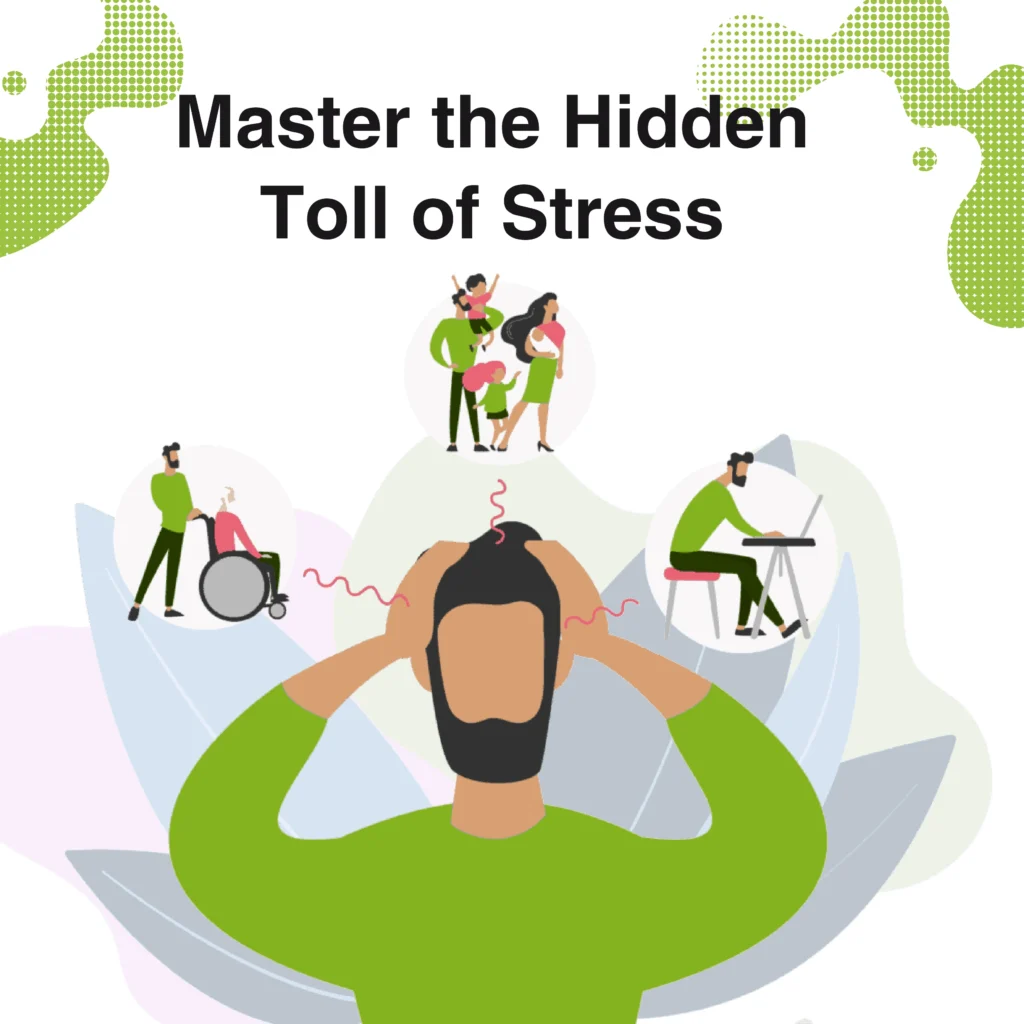
The Unique Pressures Facing Family Carers
Family carers often find themselves in their role unexpectedly, perhaps due to a loved one’s sudden illness, aging, or long-term disability. While caregiving can be an act of love and devotion, it frequently comes with challenges that can increase stress levels dramatically:
1. Emotional Toll
Watching a loved one struggle can be emotionally draining, especially when there’s a decline in health or cognition.
2. Physical Demands:
Providing physical assistance with mobility, hygiene, or daily activities can be exhausting.
3. Time Constraints
Many carers juggle full-time jobs, parenting, or other responsibilities, leaving little time for self-care.
4. Financial Pressure
The cost of medication, equipment, and reduced earning capacity can strain household finances.
5. Social Isolation
Caregiving often reduces social interaction, leaving carers feeling alone or unsupported.
According to Carers UK, an estimated 5.7 million people in the UK are unpaid carers. Many report high levels of stress, anxiety, and even depression. These feelings are often compounded by the perception that they must always be strong, capable, and selfless.
Recognising the Signs of Stress
Family carers and those around them must be aware of the signs of stress, which may present itself in different ways:
- Headaches, body aches, or muscle tension
- Insomnia or constant fatigue
- Mood swings or irritability
- Feelings of hopelessness or helplessness
- Withdrawal from others
- Trouble focusing or making decisions
Identifying these signs early can prevent burnout and support long-term wellbeing.
Strategies to Reduce and Manage Stress
Supporting family carers begins with acknowledging their efforts and offering practical support. Here are some strategies that can make a real difference:
1. Encourage Self-Care
Carers must be reminded that their health matters too. Regular exercise, balanced nutrition, sufficient rest, and hobbies can help reduce stress.
2. Promote Open Communication
Having someone to talk to, a friend, support group, or therapist, can ease emotional burdens. Organisations like the Carers Trust or Mind) can help.
3. Access to Respite Care
Regular breaks are crucial. Local authorities or charities may offer respite services, and home care agencies can always provide support. These options allow family carers time off to recharge.
4. Use of Technology
Apps and digital tools can help with medication reminders, care planning, and connecting with support networks.
5. Financial and Legal Advice
Carers should be encouraged to explore their eligibility for Carer’s Allowance and other benefits. Free legal clinics or advice lines can also help manage wills, power of attorney, and healthcare directives.
2. Education and Training
Providing carers with basic medical training or care skills can boost confidence and reduce anxiety.
2. Wellbeing Workshops
Local councils and community centres often run stress management or mindfulness sessions tailored to carers.
The Role of Society and Organisations
Carer wellbeing isn’t just a personal issue, it’s a social one. Here’s how communities can help:
- Employers: Introduce flexible working arrangements and carer-friendly policies.
- Healthcare Providers: Ensure carers are included in care planning discussions and have access to information and resources.
- Schools and Educational Institutions: Recognise young carers and provide additional support where needed.
- Government: Continue to invest in social care, respite services, and mental health programmes for carers.
Public campaigns like Stress Awareness Month are a perfect opportunity to amplify these messages and encourage collective action.
Creating a Culture of Care
Reducing carer stress isn’t just about services and policies, it’s also about changing attitudes. Here’s how we can create a more supportive culture:
- Say Thank You: Acknowledge the work of family carers in your community.
- Be Observant: Reach out if you notice someone struggling.
- Share Resources: Spread the word about support services and helplines.
- Get Involved: Volunteer or donate to carer support organisations.
Looking Ahead
Family carers are the unsung heroes of our healthcare system, contributing over £184 billion worth of care annually in the UK (Carers UK, 2024).
As we mark Stress Awareness Month 2025, let’s commit to awareness and action. Carers need recognition, resources, and real support. When we #LeadWithLove, we help create a community where no carer feels invisible.
Personal Care Specialists – Above all, you come first.

References
- Stress Management Society. (2025). Stress Awareness Month 2025
- Carers UK. (2024). Valuing carers
- Carers Trust. Support for unpaid carers
- Mind. Mental health support
- NHS. Every Mind Matters
- GOV.UK. Carer’s Allowance
- The Children’s Society. Support for young carers
Note: This blog includes information from widely available public health resources and carer support organisations.